

Food for Dogs With Allergies: My Vet-Backed Picks and Proven Diets
The Best Food for Dogs With Allergies: Real Solutions That Work
I knew something was off when my dog started showing signs of dog allergies at 2 a.m., every night, for weeks. Red paws, head shaking, a sour smell from the ears, and bouts of loose stools made it clear we were missing the root cause. If that sounds familiar, you are not alone. Many sources estimate that up to 10 percent of dogs may deal with food sensitivity. Finding the right dog food is crucial, and a successful diet change can transform everything, from calmer skin to better digestion and deeper sleep.
In this guide, I break down the best food for dogs with allergies, what symptoms to watch for, how to spot triggers, and which vet-backed diets actually work. We will cover how allergies show up, the top food types that help, the brands veterinarians recommend in 2025, and quick FAQs to guide your next steps. If you suspect allergies, seeking guidance from a veterinarian first for a diagnosis and a plan.
Understanding Food Allergies in Dogs: Signs and Causes
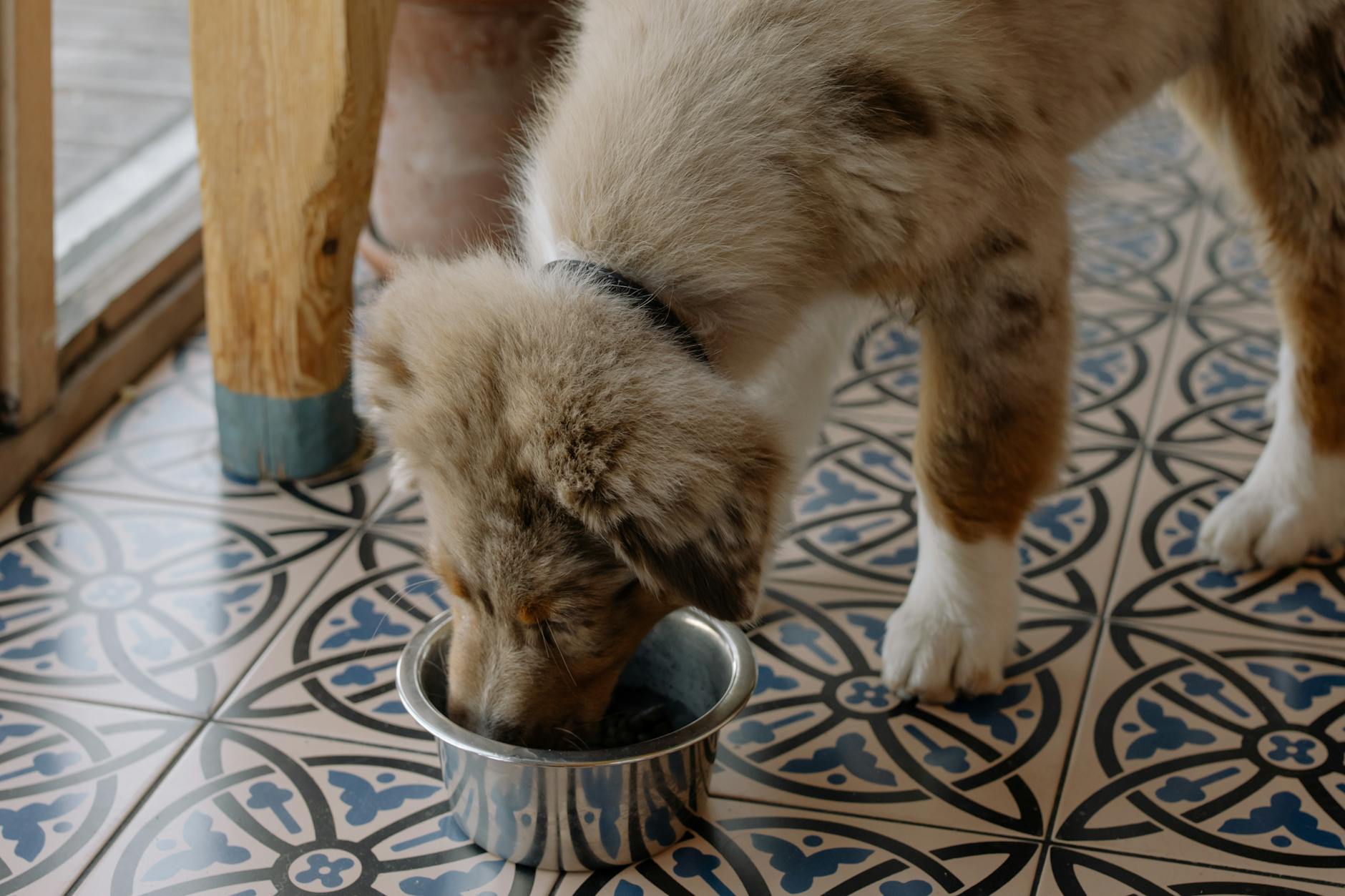 Photo by cottonbro studio
Food allergies in dogs often look like skin disease or stomach trouble. The immune system flags certain ingredients as threats, then fires off inflammation. That inflammation shows up in places you can see and smell.
Common signs include:
- Itchy skin, especially paws, belly, armpits, and ears
- Paw licking or chewing that stains fur a rusty color
- Red or inflamed skin, hot spots, hair loss, or scabs—overall skin issues that persist
- Recurrent ear infections, head shaking, and odor
- Vomiting, diarrhea, gas, or frequent loose stools as digestive issues
Here is the twist. Environmental allergy, like dust or pollen, can mimic food allergies. That is why guessing rarely works. Vets often recommend an elimination diet for 8 to 12 weeks, either with a hydrolyzed protein prescription food or a novel protein diet. You remove likely triggers, then reintroduce foods to confirm the culprit.
Dogs most often react to common allergens such as beef, chicken, dairy, or eggs. Some dogs react to grains, but it is less common. Food allergies can crush quality of life. Switching to a hypoallergenic diet reduces inflammation, improves skin health to achieve healthy skin, and settles the gut. I suggest keeping a journal of the dog's symptoms. Note daily itch scores, stool consistency, ear odor, and changes after meals. Patterns tell a clear story and help your vet tune the plan.
Common Symptoms That Signal Food Allergies
If your dog scratches all night, you feel it in your own sleep. Watch for:
- Chronic itchy skin in paws and ears
- Red skin, hot spots, and hair loss
- Loose stools, gas, or vomiting after meals
- Recurrent ear or skin infections that keep coming back
Food allergies tend to be year-round, not seasonal. Track what happens after meals and note when symptoms spike. That timing can point to diet as the driver.
Why Diet Plays a Key Role in Managing Allergies
Allergens in food trigger the immune system, which leads to inflammation in the skin and gut. Change the food, and you change the trigger. Recent 2025 veterinarian guidance points to starting a diet change early to prevent worsening, rather than waiting through cycles of flare ups.
Omega fatty acids support the skin barrier and reduce itch. Choosing foods that avoid artificial colors and flavors helps reduce noise in the diet. The long game is simple. When you identify the right food, you get fewer infections, less scratching, better stools, and a happier dog.

Top Types of the Best Food for Dogs with Allergies
Veterinarians in 2025 continue to recommend three main strategies for optimizing protein sources: hypoallergenic hydrolyzed diets, limited ingredient diets, and novel protein diets. Grain-free options can help some dogs, but grains are not the most common trigger—reactions to protein sources like chicken are far more frequent. Here is how each type works and when to use it, with a focus on optimizing protein sources to minimize allergic responses.
Hypoallergenic Diets: The Gold Standard for Sensitive Dogs
Hydrolyzed diets use hydrolyzed protein that is broken into very small pieces. The immune system is less likely to react to these tiny fragments. These specialized foods are often prescription diets, which helps guard quality and consistency.
Strong picks:
- Hill’s Prescription Diet z/d
- Royal Canin Ultamino
- Royal Canin Hydrolyzed Protein
Hydrolyzed diets shine in tough cases and during elimination trials. Many include omega-3s for skin relief. They tend to cost more, but they save money in repeat vet visits and meds.
Limited Ingredient Diets: Keeping It Simple to Avoid Triggers
A limited ingredient diet, or LID, uses one protein and one main carbohydrate in a limited ingredient structure. Fewer ingredients mean fewer unknowns. This helps you spot what works without clouding the picture, especially in a limited ingredient approach.
Solid options you can buy over the counter:
- Blue Buffalo Basics
- Wellness Simple
- Natural Balance L.I.D.
Look for clear labels, one protein source, a short ingredients list, and no artificial colors or flavors. LIDs are great for mild to moderate allergies or as a step after a successful elimination diet.
Novel Protein Foods: Introducing New Ingredients Safely
Novel protein means your dog has not eaten it before. Venison, duck, rabbit, or certain fish proteins often bypass common triggers like beef and chicken in a novel protein strategy. Pair with a simple carb, such as sweet potato or potato.
Good examples:
- The Farmer’s Dog fresh formulas that use single proteins
- Purina Pro Plan Sensitive Skin and Stomach options with salmon
These diets often bring omega-3s from fish oil, which helps skin. Use under vet guidance, especially during trials, so you do not accidentally mix in old allergens.
Grain-Free and Omega-Boosted Options for Extra Support
Some dogs do better without certain grains, but grain-free formulas are less common for addressing allergies than protein sensitivities. If your vet suspects grain sensitivity, try grain-free options that use peas or potatoes and include healthy fats.
Examples to discuss with your vet:
- Hill’s Science Diet sensitive skin and stomach lines
- Royal Canin options tailored for skin support
Focus on foods with omega-3 and omega-6 from fish oil or flaxseed. These support the skin barrier and reduce inflammation. Do not over-restrict without a reason. Balanced nutrition beats guesswork.
Pro tip on switching: transition over 7 to 10 days with a gradual feeding change. Start with 25 percent new food and 75 percent old, then adjust every two to three days. Slow changes cut down on tummy upset and give you clearer data.
Frequently Asked Questions About the Best Food for Dogs with Allergies
How Can I Tell If My Dog Has Food Allergies?
Start with your veterinarian. They will rule out fleas and environmental triggers, then guide you through an 8 to 12 week elimination diet. Skin tests exist, but food trials remain the gold standard to confirm a food trigger. Symptoms alone are not enough to diagnose.
Is It Safe to Switch My Dog's Food Suddenly?
No. Sudden changes can trigger vomiting or diarrhea. Transition over 7 to 10 days by mixing the new food with the old food. Increase the new food a little every couple of days until you reach 100 percent.
Are Hypoallergenic Dog Foods Too Expensive?
They often cost more, especially prescription diets. But they can cut down on vet visits, meds, and repeat infections. If budget matters, talk to your vet about over the counter limited ingredient diets and ask about manufacturer coupons.
What If My Dog Has Multiple Food Allergies?
Your vet may recommend a hydrolyzed diet, or a custom plan that removes common proteins all at once, considering factors like the dog's size and dog's age. Test one new item at a time so you can spot reactions. Some dogs do well with fresh or raw food diets, including options from The Farmer’s Dog, when the protein is carefully controlled.
How Long Until I See Improvement After Changing Food?
Gut symptoms often settle within one to two weeks. Skin takes longer. Expect 4 to 8 weeks for a clear change in symptoms, since inflammation in the skin needs time to resolve. Keep a symptom journal and touch base with your vet if you see no progress.
Is Grain-Free Food Always the Best for Allergies?
Not always. Most dogs react to protein sources, not grains. Choose grain-free only if your vet suspects a grain trigger or if your dog improves on a structured trial. Balanced nutrition and the right protein choice matter more than grain status.
Conclusion
Allergies are frustrating, but you have a clear path forward. Start with your veterinarian for a proper diagnosis, confirm triggers, and use the best food for dogs with allergies to reduce inflammation and calm the skin and gut. Hydrolyzed diets lead for severe cases, limited ingredient diets simplify choices, and novel proteins bypass common culprits. Brands to discuss with your veterinarian include Hill’s Prescription Diet z/d, Royal Canin Ultamino, The Farmer’s Dog, Blue Buffalo Basics, Wellness Simple, Natural Balance, Purina Pro Plan, and Hill’s Science Diet.
Ready to get your dog comfortable again? Book a veterinarian consult, choose a diet strategy, and monitor key symptoms during the long-term management phase while tracking results for 8 to 12 weeks. With the right plan, your dog can thrive, itch less, and enjoy mealtime again. Have a question or a success story? Share it in the comments and help another dog owner win this fight.
🐾 Want more pet care tips? Get our free Ultimate Dog Owner's Handbook — 85 pages, vet-approved & free!
📥 Download Our Free Pet Owner's Guide